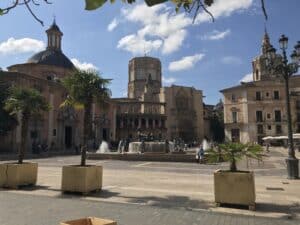
The first thing I noticed in Valencia Old Town wasn’t a landmark or a plaque, it was how quickly the noise softened once we stepped off a wider avenue and into the older streets. Laura and I had barely walked a block before the pace changed. Cafés were opening their shutters, delivery carts rattled over stone, and the city felt awake without feeling rushed. It was the kind of place that invites you to slow your stride without asking.
What makes the Valencian historic district compelling isn’t just its age, but how comfortably the past and present sit side by side. You’ll see centuries-old stonework used as a backdrop for everyday life, neighbors chatting, kids cutting through plazas, locals stopping for a mid-morning coffee. As we wandered, I realized this wasn’t an area to “cover.” It’s one to inhabit, even briefly, letting the city reveal itself a street at a time.
Why Valencia Old Town Still Feels Lived-In
What stood out to me almost immediately was how little this part of the city feels staged. As Laura and I walked through the neighborhood mid-morning, we weren’t dodging tour groups so much as sharing the street with people running errands, meeting friends, or heading home with bread tucked under an arm. Laundry hung from balconies above streets that have been in use for centuries, and no one seemed particularly aware that they were living inside what many visitors think of as an open-air museum.
I think that’s what gives Valencia Old Town its staying power. The historic center hasn’t been polished into something fragile. It’s functional, a place where daily routines matter more than photo opportunities. We noticed it most in the smaller squares, where cafés filled gradually rather than all at once, and where sitting still for a while felt entirely normal. That sense of ordinary life made the history feel more real, not less.
A Short History That Helps Everything Make Sense
Before we spent much time wandering, I found it helpful to get a basic sense of who had passed through here before us. Valencia isn’t the product of a single era; it’s a stack of civilizations layered on top of one another. Romans laid out the early grid, the Moors reshaped the city around irrigation and trade, and Christian rulers later added churches, walls, and civic buildings that still anchor the neighborhood today.
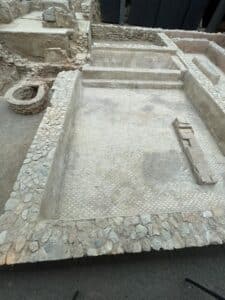
As Laura and I walked, that context kept small details from feeling random. Narrow streets suddenly made sense as shade and defense. The placement of plazas felt intentional rather than accidental. Even the contrast between open squares and tight passages reflected centuries of adaptation. Knowing just a bit of this history changed how I moved through the area, it became less about finding highlights and more about understanding why the city looks and feels the way it does.
Walking the Old Town Without Rushing
We learned quickly that this city rewards patience more than efficiency. I had a rough route in mind, but we abandoned it within the first hour, letting quieter side streets pull us off course. Mornings felt best for walking, before the sun climbed too high and before the plazas filled, when the city seemed to stretch awake rather than perform.
Laura set the pace, stopping often for photos or simply to take in a corner we hadn’t expected to like as much as we did. That rhythm worked. Distances here are short, but the sensory load adds up, and pushing too hard made everything blur together. Sitting down occasionally, even for ten minutes, helped reset our focus. The old town isn’t large, but it asks you to be present, not hurried, if you want it to register as more than a map of streets.
Landmarks Worth Stepping Inside
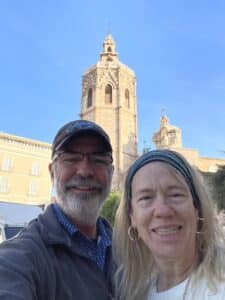
Some of the most meaningful moments we had happened indoors, away from the movement of the streets. I’m not one to step into every historic building just because it’s there, but a few places genuinely reward the pause. The Valencia Cathedral, in particular, benefits from unhurried time, early or later in the day, when the interior feels less like a thoroughfare and more like a place meant for reflection.
Laura and I also found that smaller churches and civic buildings often left a stronger impression than the grand ones. They were quieter, cooler, and easier to absorb without feeling rushed along. We started budgeting our time differently, choosing depth over quantity. Stepping inside fewer landmarks, but actually slowing down once we did, gave the old town a sense of texture that exterior views alone just don’t provide.
For a fuller explanation of what we enjoyed doing in Valencia, read 17 of the BEST Things to do in Valencia.
Plaças, Backstreets, and the Spaces Between
Some of our favorite moments in Valencia Old Town happened in places without names we could remember later. I’m thinking of the small plaças where we lingered longer than planned, or the narrow lanes that opened suddenly into sunlight and space. Laura often spotted these before I did, pulling me a few steps off the main route with a quiet “let’s go this way.”
Those in-between spaces are where the old town feels most personal. Without a specific destination in mind, we noticed details we might have otherwise missed, tilework above doorways, the sound of footsteps echoing, the way light shifted across stone walls as the afternoon wore on. Wandering as this felt less like sightseeing and more like getting temporarily folded into the neighborhood. It was in these unscripted stretches that the historic center stopped feeling historic and simply felt alive.
Eating and Drinking in the Historic Center
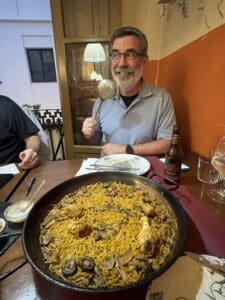
By the time we started thinking about food, our walking pace had already slowed, which turned out to be exactly right. In this historic town, meals follow their own rhythm, and trying to eat on an “early” schedule usually means empty tables and closed kitchens. Laura and I adjusted quickly, opting for small pauses instead of full meals during the day, coffee here, a pastry there, saving proper lunches and dinners for when the city naturally gathers around tables.
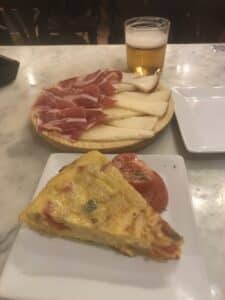
What worked best for us was choosing places that felt anchored in the neighborhood rather than designed to pull people in off the street. Menus were shorter, service was unhurried, and no one rushed us once we sat down. Eating in the old town wasn’t about chasing a famous dish as much as letting meals punctuate the day. Those breaks, especially in shaded plaças, became part of how we experienced the history rather than a distraction from it.
Practical Tips for Visiting Valencia Old Town
After a few days of moving through the old town, I realized how much easier it is when you plan around comfort rather than coverage. We wore shoes meant for uneven stone, not style, and that alone changed how long we could stay out without needing a break. Distances are short, but the constant stopping, starting, and looking around adds up faster than you might expect.
I kept Google Maps handy, but we used it more to reorient ourselves than to follow strict routes. Cell service was reliable, and dropping a pin when we found a café we liked saved us from trying to remember street names later. Timing mattered too. Early mornings and early evenings felt calmer, cooler, and more conversational, while midday was better reserved for museums or sitting still. A little flexibility went a long way here.
Join our Newsletter to Receive a Free Google Map
of Valencia with Hidden Gems Marked
Is Valencia Old Town Worth Prioritizing on a Short Visit?
If your time in the city is limited, I think Valencia Old Town earns its place early in the itinerary. Laura and I found that even a single, well-paced day here gave us a sense of the city’s character that carried into the rest of our stay. The historic center provides context, once you’ve walked these streets, modern neighborhoods feel more connected rather than separate.
That said, it works best when you resist the urge to see everything. On a short visit, I’d prioritize “wandering” over “box-checking” and choose a handful of meaningful stops instead of chasing every landmark. Valencia isn’t about volume; it’s about texture. Even a few hours, approached slowly, can feel complete if you let the area set the pace rather than trying to impose your own.
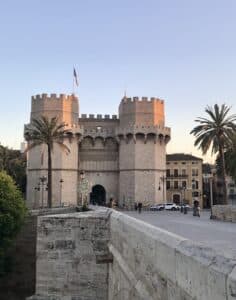
Letting Valencia Old Town Set the Pace
By the end of our time here, I stopped thinking about Valencia as a checklist and started seeing it as a rhythm. Laura and I didn’t remember every street name or plaza, but we remembered how it felt to move through them, unhurried mornings, shaded pauses, and evenings when the stones seemed to hold onto the day’s warmth. That sense of continuity is what stayed with us most.
If you’re planning a visit, I’d encourage you to give this part of the city time to breathe. Walk it early, return to it later, and allow space for detours that weren’t planned. If you want help deciding where to stay nearby, how to fit the old town into a broader Valencia itinerary, or what to pair it with during a shorter trip, explore our related Valencia guides. They’re built from the same slow, experience-first approach that made this historic center resonate with us.