
Valencia has a way of pulling you in slowly, almost quietly, until one day you realize you’ve fallen for it completely. When we lived here, we thought we were passing through for a season, but the city got under our skin in the best possible way. Maybe it was the smell of orange blossoms drifting through the streets in spring, or the lazy glow of sunset over the Turia, or the feeling that life here moves at a pace that actually lets you breathe. Whatever it was, Valencia became home, and it left us with stories, shortcuts, and favorite corners that only show up when you stay awhile.
That’s why we feel such a sense of responsibility writing about the best things to do in Valencia. We didn’t just visit, we lived it. We grocery shopped at Mercado Central, wandered through Ruzafa before the murals changed again, and figured out which tapas bars were actually for locals and not just for tourists. We watched festivals unfold from our own neighborhood streets and learned how this city balances the ancient and the futuristic without losing its soul.
In this guide, we’re sharing the places and experiences we’ve come to love, some famous, some totally under the radar, and the kind of recommendations only former residents can give. Whether you’re planning a first visit or coming back for more, this list will help you see Valencia the way we did: slowly, deeply, and with a little everyday magic.
Things to Do in Valencia
Valencia offers an unusually rich mix of contrasts, futuristic landmarks, Roman ruins, vibrant markets, and quiet coastal corners, all within a city that’s easy to explore at your own pace. No matter what brings you here, from food to history to slow Mediterranean days, this list will help you experience the city more fully.
If you plan to visit several museums or use public transport, the Valencia Tourist Card is often the best value. We purchased the card multiple times while living in Valencia and consistently found it worthwhile. Before we get to the free highlights, here are the paid and partially paid things to do in Valencia that showcase the city’s variety.
Save time and money visiting Valencia by grabbing the Valencia City Card with free public transport, museum entry, and skip-the-line access in one easy pass.
1. Oceanogràfic
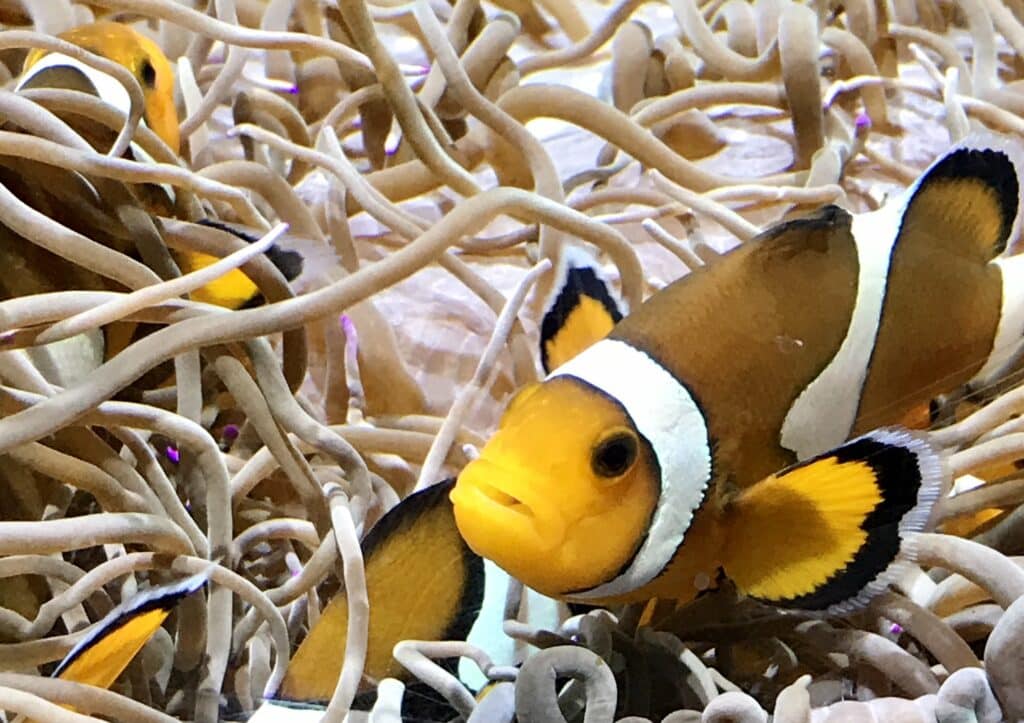
Oceanogràfic is one of those places that genuinely lives up to the hype. Because we lived in Valencia, we visited several times, and each trip felt calm and surprisingly immersive. The layout is wide and accessible, with ramps, elevators, and plenty of seating, making it easy for anyone who prefers predictable terrain or shorter walking distances. On hot days, the cool indoor exhibits are a welcome break from the sun.
It’s also one of the most varied things to do in Valencia; you can move from bright Arctic beluga tanks to long tunnels filled with sharks in just a few minutes. The jellyfish rooms are especially peaceful, dimly lit, and perfect if you want to slow your pace. And since it’s inside the City of Arts and Sciences, it’s easy to pair your visit with a walk around the surrounding architecture. Oceanogràfic is open year-round, but weekdays outside peak summer are the quietest. Reservations aren’t required, though they help during busy seasons.
Skip the lines and explore Europe’s largest aquarium with a guided Oceanogràfic tour that makes visiting easy, engaging, and stress-free.
2. Valencia Cathedral + Miguelete Tower
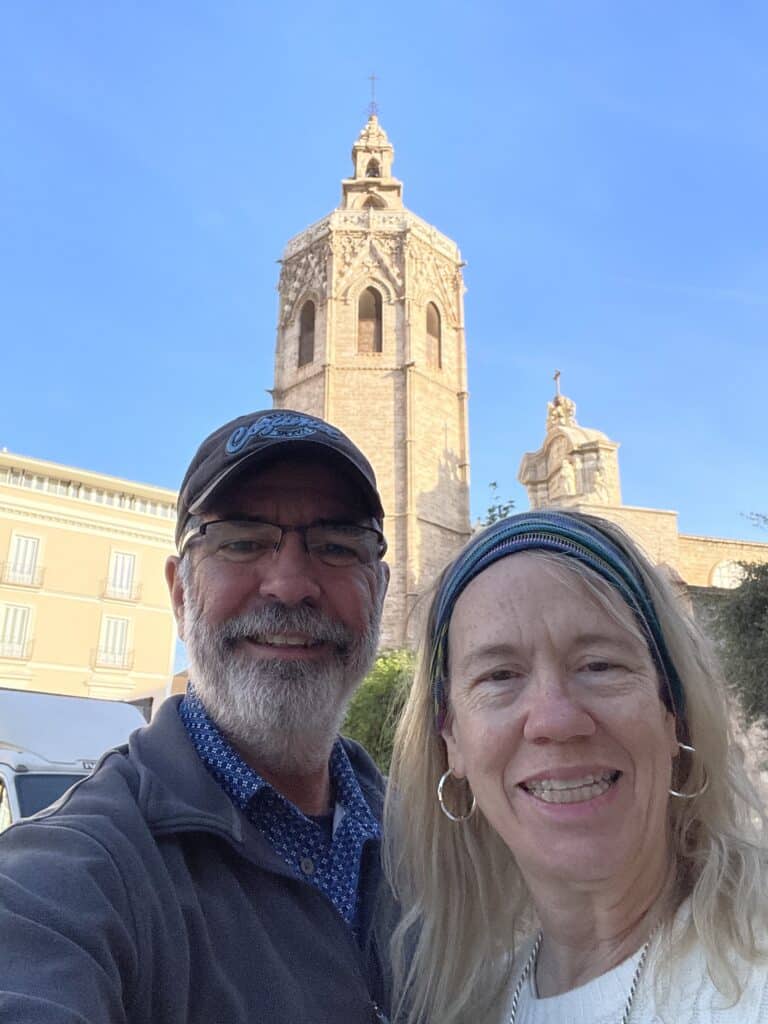
The Valencia Cathedral is one of the city’s classic landmarks, blending centuries of architecture with some of the city’s most enduring stories. Inside, wide entrances and level floors make it easy to move at a relaxed pace, and the mix of Gothic, Baroque, and Romanesque elements keeps the space visually engaging. Among its most famous treasures is the chalice many believe could be the Holy Grail, reason enough for a brief, curious stop even if religious history isn’t your primary focus.
Climbing the Miguelete Tower can be rewarding, but it’s a steep ascent of more than 200 narrow steps with no elevator. For many visitors, especially those concerned about balance or mobility, enjoying the cathedral from ground level is more than enough. The surrounding plaza is lively throughout the day and offers a comfortable break between other things to do in Valencia. The cathedral is open most days, though hours shift on Sundays and religious holidays, so checking ahead helps avoid surprises.
Discover Valencia’s most iconic landmark with a guided Valencia Cathedral tour, unlocking centuries of history, art, and hidden details you’d likely miss on your own.
3. Tapas & Wine Tour in Old Town
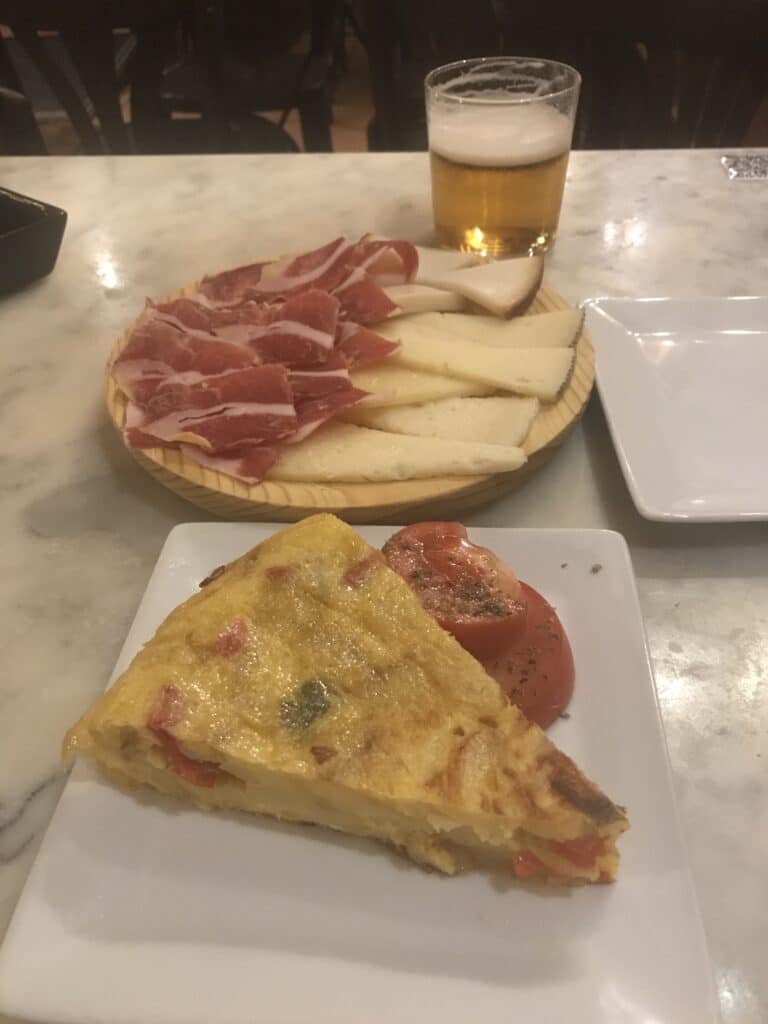
A Tapas & Wine Tour in Old Town is one of the easiest ways to discover great food in Valencia without guessing which bars are worth your time. When we lived here, we learned that many of the best spots hide down narrow alleys or behind unmarked doors, and a guided tour helps you find them while keeping the pace relaxed with plenty of chances to sit. It’s a comfortable option for anyone who prefers shorter walking stretches or wants an enjoyable evening without navigating the city’s busiest streets alone.
These tours also reveal the rhythm of Valencian life, slow meals, late dinners, and dishes paired with real intention. Along the way, most guides weave in brief historical stops that help you understand the winding lanes and small plazas that make Old Town so memorable. It feels less like a formal tour and more like spending the evening with someone who knows the city well, which is why many people add it to their list of things to do in Valencia. Tapas tours run year-round, with evenings offering the best atmosphere once the heat fades. Reservations are smart during weekends or festival periods like Fallas.
Taste your way through Valencia with a guided tapas tour, sampling authentic local dishes while learning the stories behind each bite.
4. Paella Cooking Class
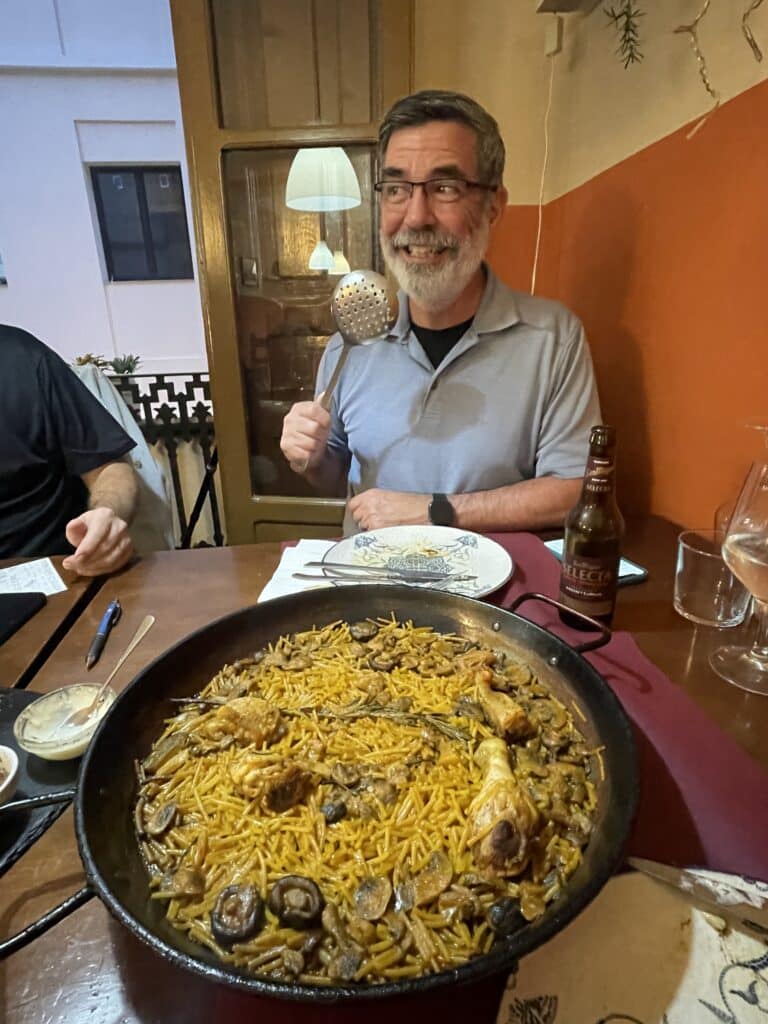
A paella cooking class is one of the most enjoyable ways to connect with local culture, especially since the dish originated in this region of Spain. When we lived in Valencia, we learned that paella is more than a meal; it’s a social ritual built around good ingredients and unhurried cooking. A class walks you through the essentials, from choosing the right rice to creating that perfect socarrat, all at a pace that’s comfortable and easy to follow.
These classes often begin with a short market visit to select seasonal produce before heading to the kitchen, where everything is set up for simple, hands-on learning. The atmosphere is friendly and relaxed, making it perfect for couples or travelers who enjoy interactive experiences. It’s easy to see why many people include a class like this among their favorite things to do in Valencia, you end the day with a great meal and a shared memory that feels uniquely local. Paella classes run year-round, though summer mornings tend to be the most comfortable. Because they’re popular, reservations are smart on weekends or during busy seasons.
Learn to cook authentic Valencian paella from local chefs in a hands-on cooking class that turns a meal into a memorable experience.
5. The Silk Museum (Museo de la Seda)
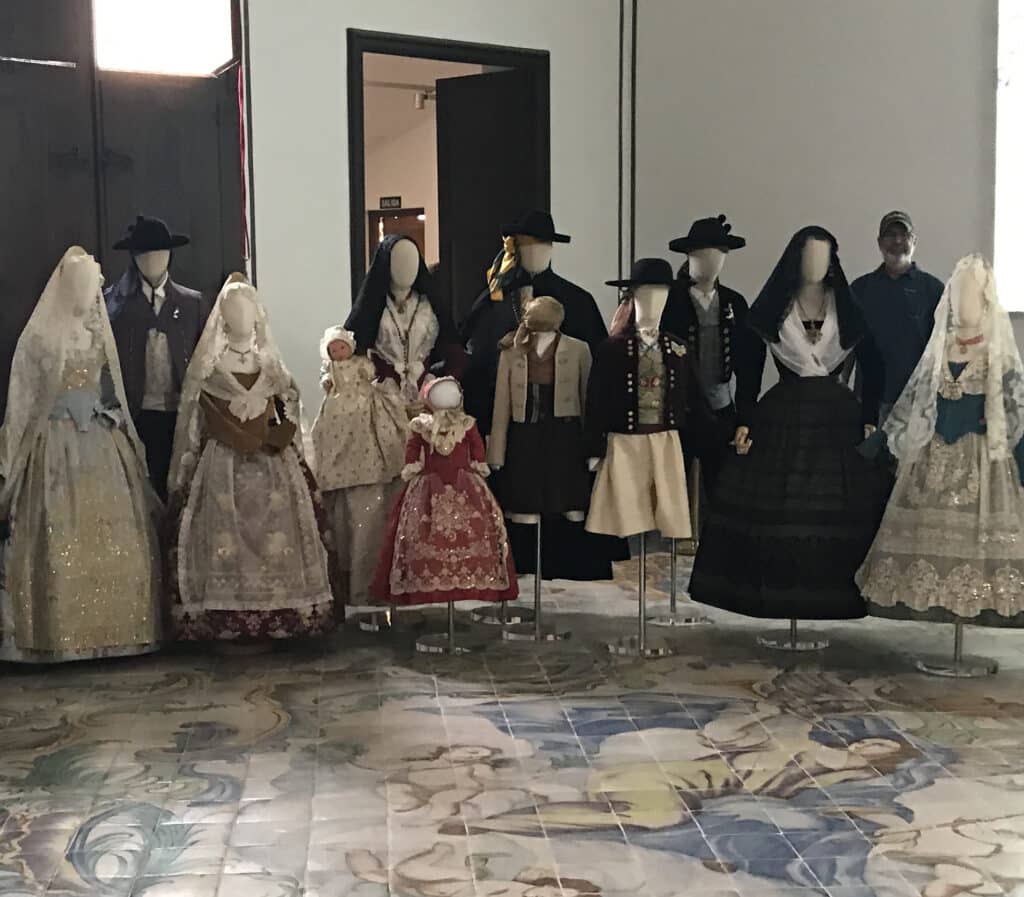
The Silk Museum is one of Valencia’s more surprising cultural stops, housed in a restored 15th-century guild building that once stood at the center of the city’s silk trade. Inside, the exhibits explain how weaving techniques, fabrics, and local artisans helped shape Valencia’s economy and identity for centuries. The space is easy to navigate with elevators and smooth pathways, making it a comfortable visit for anyone who prefers slower, steadier sightseeing.
What makes the museum memorable is how personal it feels. Instead of dense displays, it shows how silk influenced neighborhoods, festivals, and everyday life. If you’re already exploring Ruzafa or Old Town, it’s an easy detour and adds new context to the surrounding streets, once home to merchants and workshops tied to this industry. The museum is open year-round, though hours shift on Sundays and holidays, so checking ahead helps.
Step into Valencia’s silk-trading past with a skip-the-line ticket to the Silk Museum, a small but fascinating stop many visitors overlook.
6. The Fallas Museum

The Fallas Museum offers a quiet, detailed look at the artistry behind Valencia’s most famous festival. Exhibits showcase ninots (colorful figurines) saved from the annual celebrations, highlighting decades of creativity, humor, and social commentary. It’s a relaxed indoor stop with smooth pathways and well-spaced displays, making it easy to explore at your preferred pace.
This is also one of the better cultural things to do in Valencia if you want to understand the festival without crowds or noise. The museum provides enough context for newcomers to appreciate why Fallas is so central to local identity, while still offering plenty of visual interest for a quick visit.
The museum is open year-round with hours that shift slightly on Sundays and holidays. Tickets are inexpensive and typically purchased directly at the entrance.
7. Valencia Streetcar to the Beach
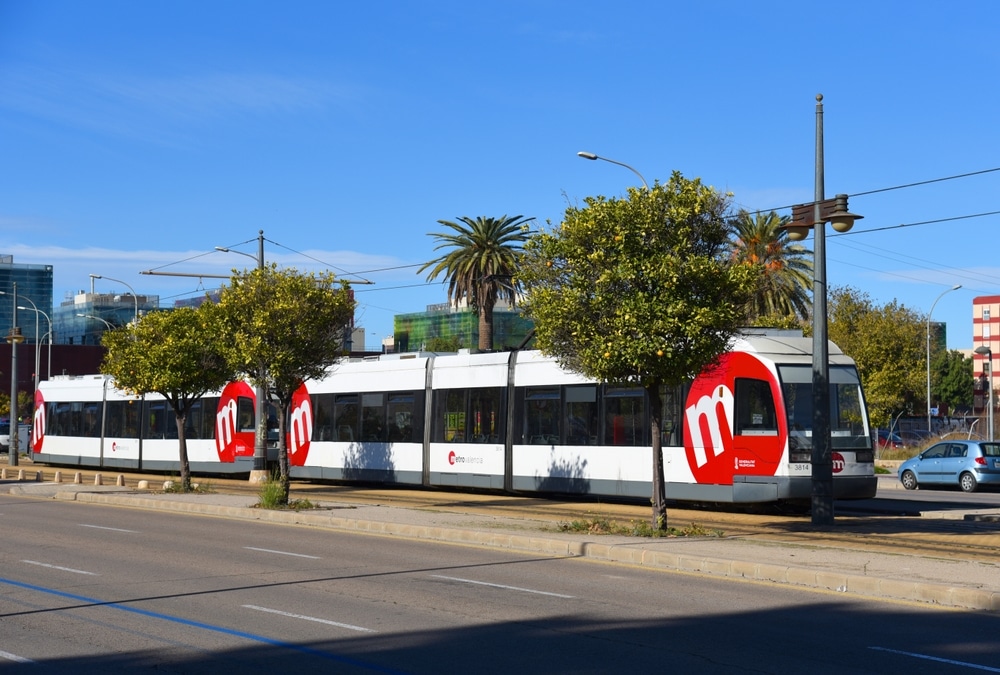
Taking the streetcar to the coast is an easy way to see a quieter side of Valencia as you roll past neighborhood cafés and residential streets on your way to the vast beaches of Malvarrosa and Patacona. It’s a simple, low-effort outing that works well for anyone who prefers minimal walking or wants a smoother alternative to the bus.
Because the tram offers level boarding and predictable routes, it’s one of the most accessible things to do in Valencia. Once you reach the shoreline, you can stroll the promenade, grab a meal by the water, or enjoy the sea breeze before heading back.
Tickets are straightforward: buy a single-use pass at the station or use your Valencia Tourist Card, which grants access to all public transport around the city. The system is intuitive, runs year-round, and rarely requires planning; choose your stop and ride.
Ride effortlessly from the historic center to Valencia’s beaches with the Valencia City Card, which includes free public transportation across the city.
8. L’Almoina Archaeological Museum
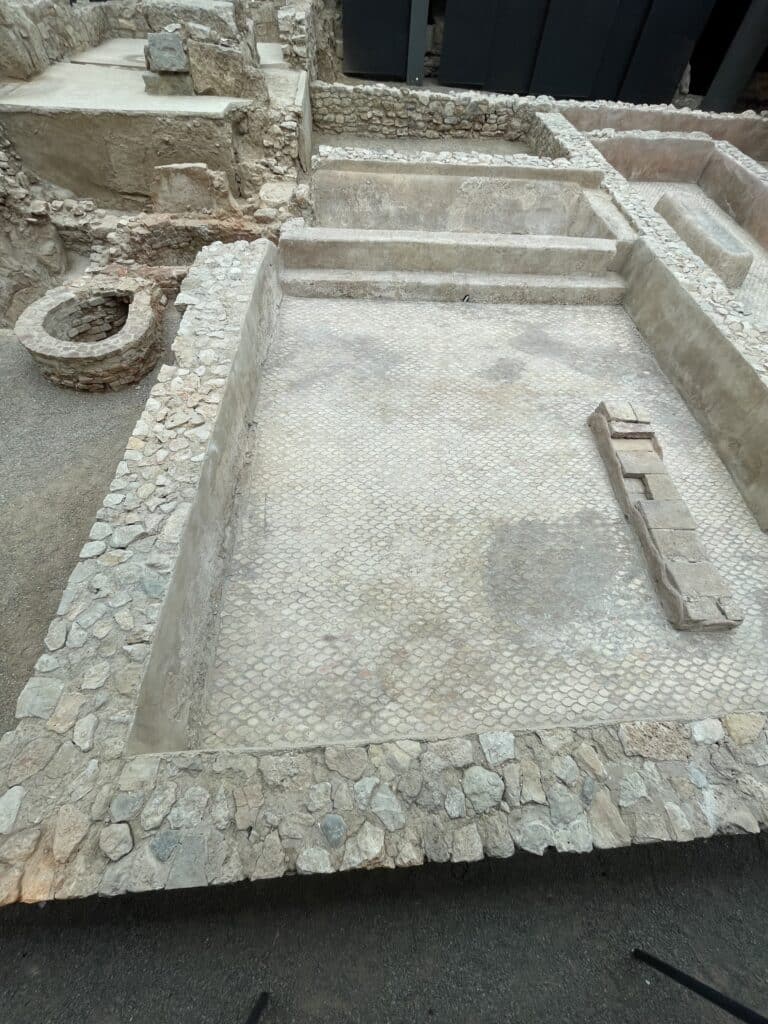
L’Almoina Archaeological Museum offers one of the most quietly impressive historical experiences in the city. Beneath modern Valencia, you’ll walk over glass platforms that reveal Roman baths, early Christian ruins, and Visigoth structures preserved exactly where they were uncovered. It’s a calm, indoor stop that works well for visitors who want a slower-paced look at the city’s ancient foundations.
The museum is thoughtfully arranged, with ramps, seating, and clear pathways that make it easy to explore without feeling crowded or rushed. Because the displays are well-lit and organized by era, even first-time visitors can follow the story of how Valencia evolved layer by layer over two millennia, making this one of the more meaningful things to do in Valencia for history-minded travelers. L’Almoina is open year-round, with slight schedule changes on weekends and holidays.
Explore Valencia’s Roman roots with the Valencia City Card, which includes free entry to the L’Almoina Archaeological Museum beneath the city streets.
9. Iglesia de San Nicolás
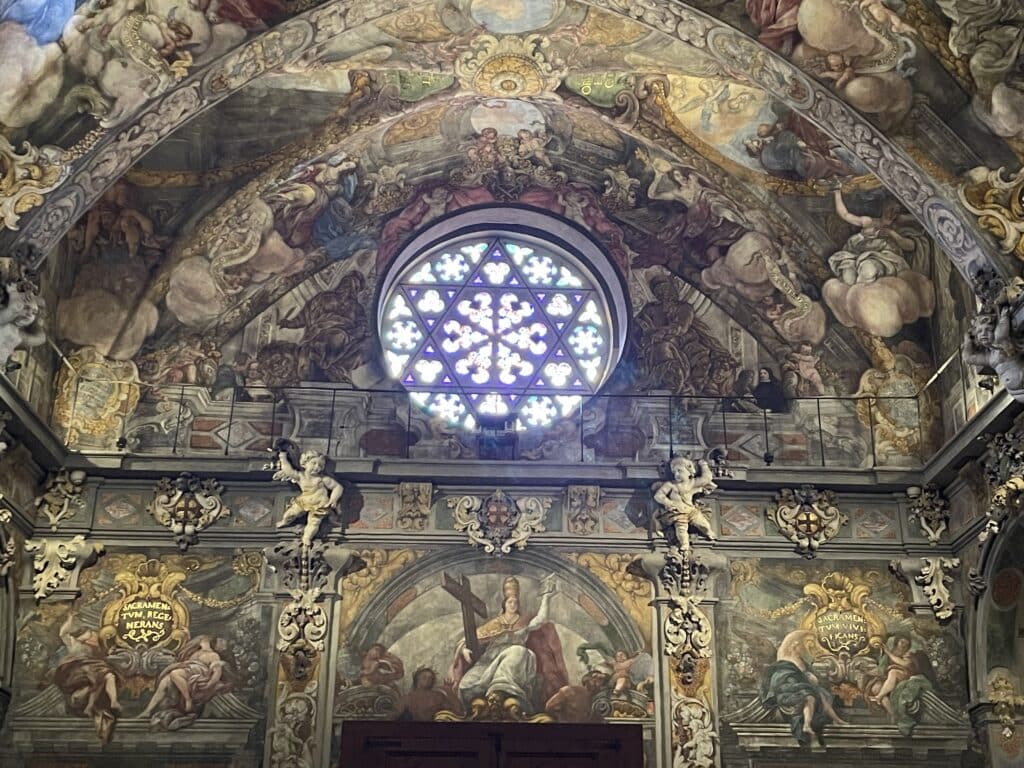
Iglesia de San Nicolás is one of Valencia’s most stunning artistic treasures, famous for its vividly restored frescoes, which have earned it the nickname “the Sistine Chapel of Valencia.” Once inside, the ceiling and walls are covered with detailed scenes that create an immediate sense of quiet awe, and the entrance is at a level that’s easy for visitors who prefer minimal stairs or tight spaces.
What makes this one of the standout things to do in Valencia is how easy it is to experience without rushing. The audio guide provides helpful context as you move through the chapel at your own pace, letting you pause wherever the artwork captures your attention. Hours vary on holy days, so checking the schedule ahead of time helps.
Step inside Valencia’s “Sistine Chapel” with tickets to Iglesia de San Nicolás and admire its breathtaking frescoes without the wait.
10. Museo de la Semana Santa Marinera
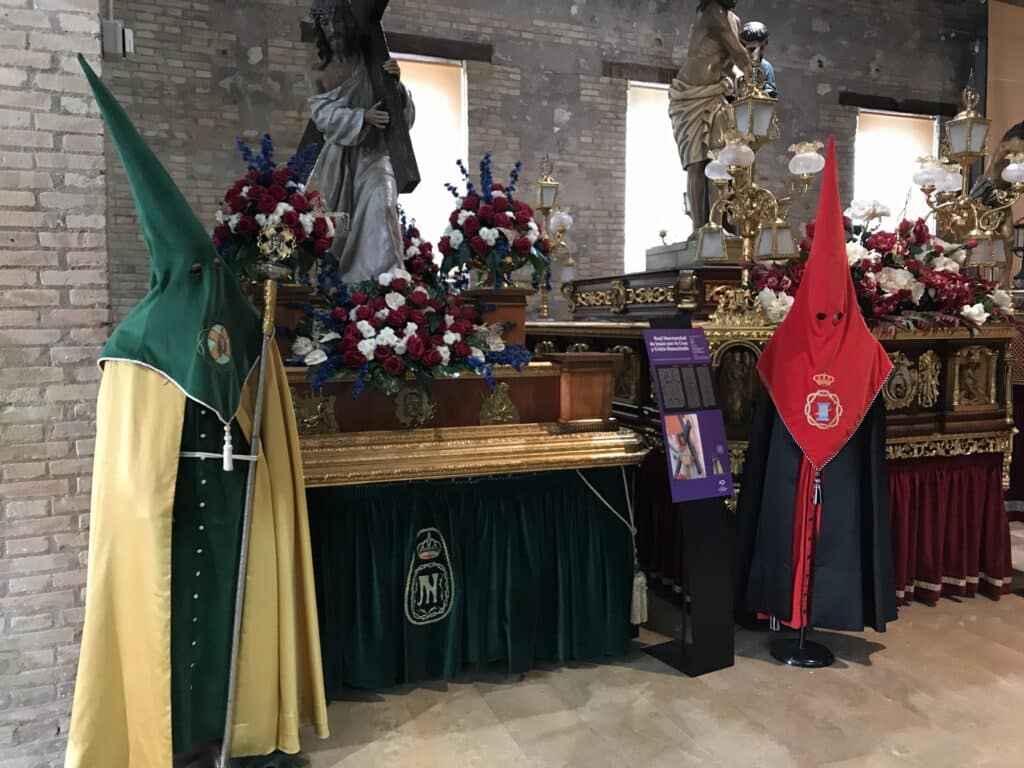
The Museo de la Semana Santa Marinera offers an insightful look at Valencia’s coastal Holy Week traditions, displaying the ornate costumes, ceremonial items, and pointed capirote hoods used in local processions. It’s located in the Cabanyal neighborhood and provides a calm, spacious setting that’s easy to navigate at your own pace.
For travelers interested in cultural context, this is one of the lesser-known things to do in Valencia that highlights how deeply the festival is woven into community life. Many local families have participated for generations, and the exhibits reflect that sense of devotion and continuity.
The museum is open year-round with low entry fees, though hours may shift around holidays. Tickets are purchased at the entrance.
Free Things to Do in Valencia
Valencia is one of those cities where you don’t need to spend much to experience its personality, and some of the most memorable things to do in Valencia won’t cost you anything at all. Once we settled into daily life here, we realized that the city’s real heartbeat lies in its neighborhoods, public spaces, and everyday rituals. This section highlights the free experiences that shaped our time in Valencia, the places where we wandered without a plan, lingered in the sun, and discovered the charm that locals enjoy year-round. These are easy, flexible outings that suit a slower travel style and let you explore at your own pace.
11. Ruzafa Street Art Walk
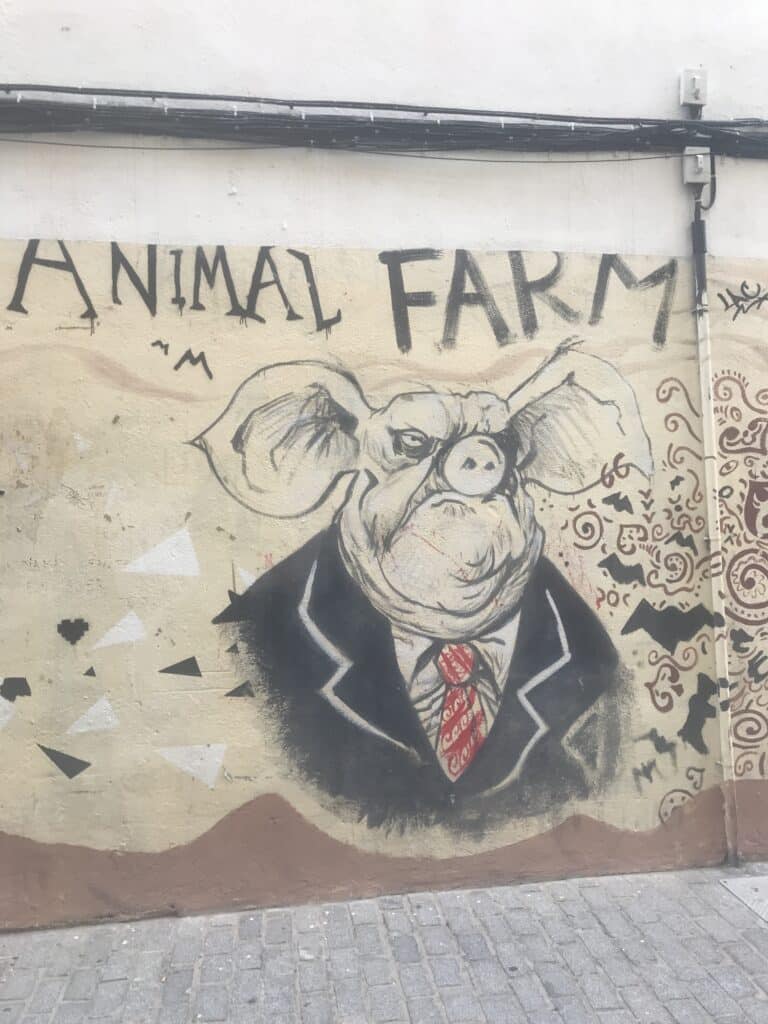
Ruzafa’s street art became one of our favorite discoveries in the city, with murals that shift so often the neighborhood feels new every time you visit. Bold colors, playful designs, and occasional political messages turn its streets into an open-air gallery you can enjoy at your own pace.
Because the area is flat and full of cafés, it’s an easy stroll for anyone who likes to pause, rest, or explore without a fixed plan. For travelers looking for creative things to do in Valencia, mornings offer quieter wandering, while late afternoons bring more energy as shops open.
There’s no need for tickets, walk and see what’s changed. Laura loved roaming these side streets, stopping to photograph newly painted walls or chatting with locals about the latest additions. The constant evolution is part of the fun.
12. Cabanyal Neighborhood Architecture Walk
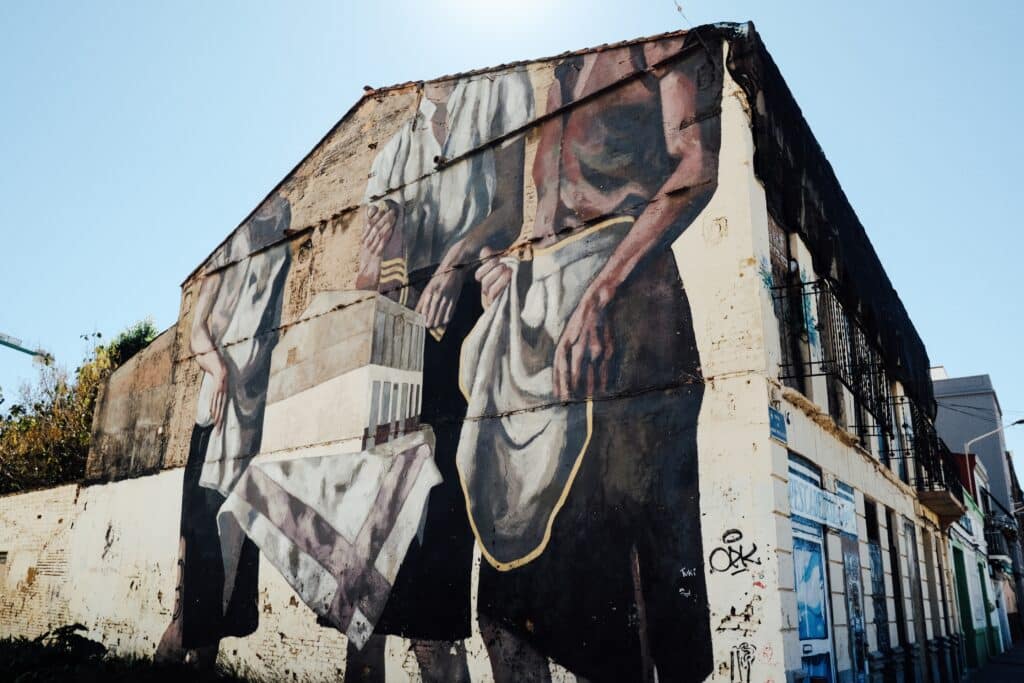
Cabanyal is one of Valencia’s most distinctive neighborhoods, a former fishing district filled with pastel facades, patterned tiles, and a mix of architectural styles that give it a lived-in, authentic charm. It’s an unexpected but memorable addition to your list of things to do in Valencia, especially if you enjoy places that feel local rather than curated.
The area is flat and easy to explore at a slow pace, with plenty of corners to stop and admire the tilework, or to step into a long-standing family shop. Each visit reveals something new, a restored balcony one day, a hand-painted doorway the next.
No tickets are required; wander freely and take in the neighborhood at your own pace. Those who want a deeper context can look for locally guided walks offered by neighborhood associations or cultural groups, but exploring independently is just as enjoyable. Cabanyal rewards curiosity all on its own.
13. Serranos + Quart Towers Night Illumination
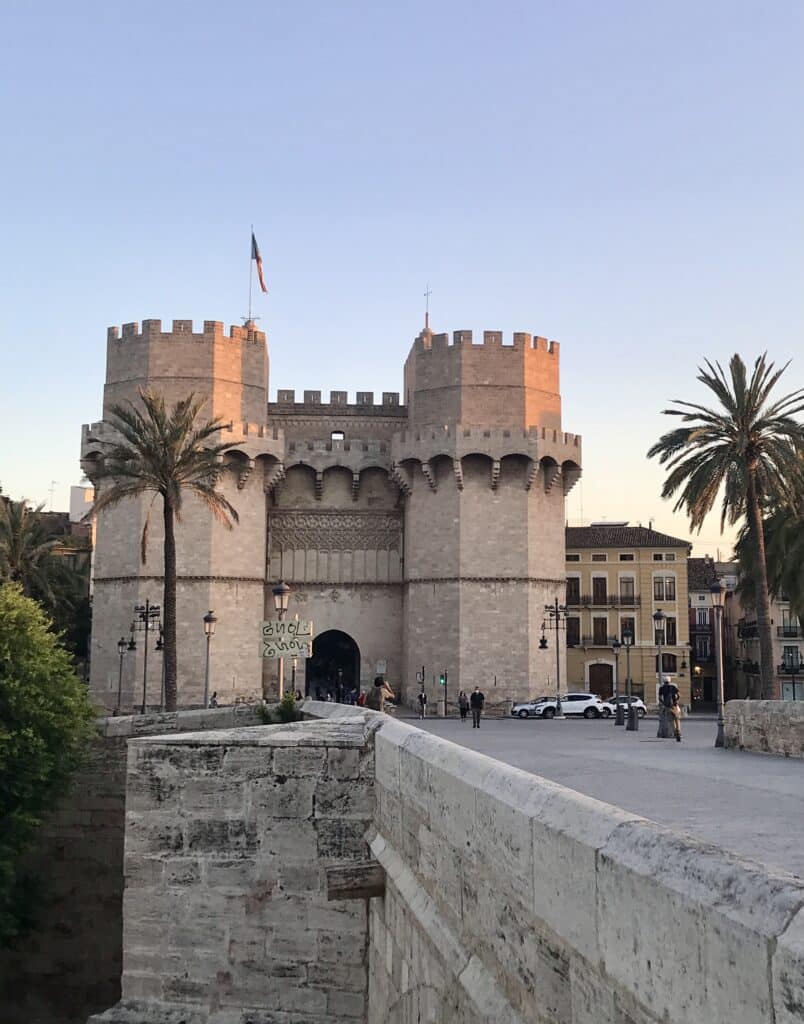
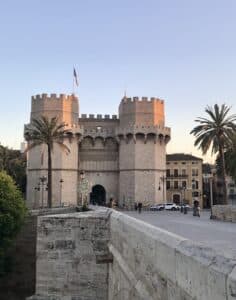
Seeing the Serranos and Quart Towers illuminated at night is one of the most atmospheric historic experiences in the city. Their Gothic stone walls glow warmly after dark, revealing details you often miss in daylight, including visible scars from past battles, like artillery damage from the Napoleonic invasion. You don’t need to climb anything; simply walking around the base gives you a strong sense of scale and history.
For travelers seeking slower things to do in Valencia, the surrounding plazas are quieter in the evenings, and the level footpaths make it an easy stroll. We often paired a nighttime wander between the two towers with an after-dinner walk on warm evenings.
There’s no ticket or reservation needed; the illumination is free to enjoy year-round. While some guided evening tours stop here, visiting on your own feels just as rewarding.
14. Mercado Central Food Visit
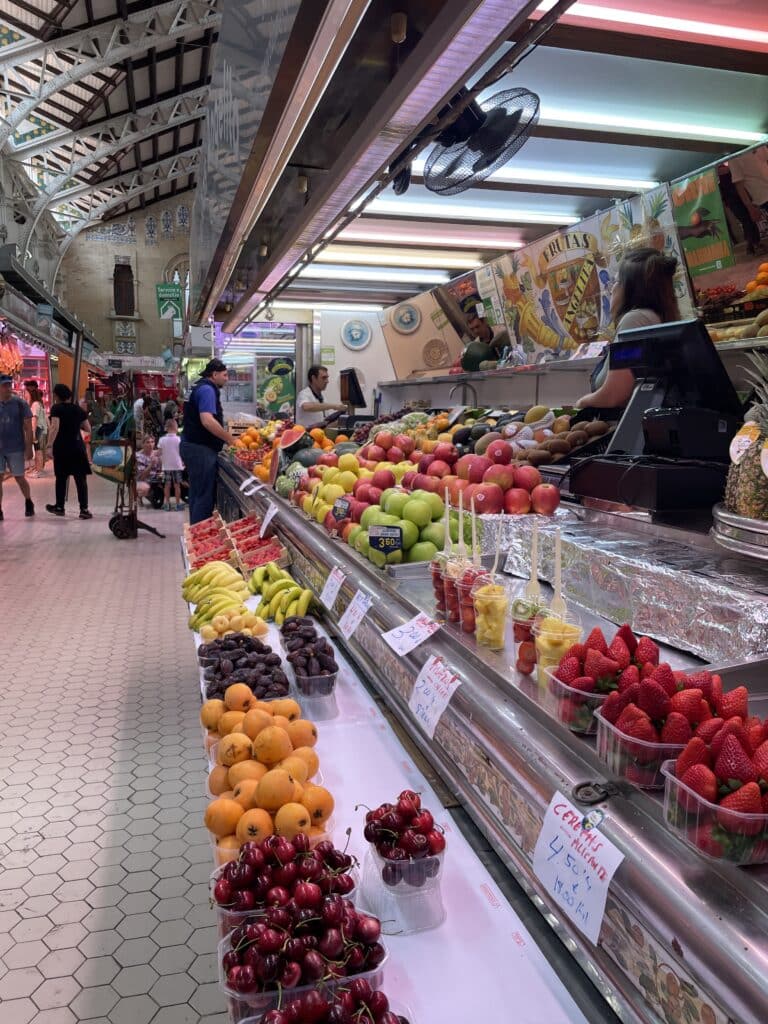
Mercado Central is one of the liveliest places in the city, a huge glass-and-iron market filled with produce, seafood, spices, and pastries. During our time living in Valencia, we stopped in three or four times a week, chatting with vendors and picking up groceries as part of our daily rhythm. It’s an easy, come-as-you-are visit, wander slowly, take in the aromas, and sample what interests you.
Because the aisles are wide and level, the market is simple to navigate, and mornings are quieter before the lunchtime rush. For travelers seeking food-focused things to do in Valencia, it’s a natural way to experience local life without planning ahead.
There’s no ticket required; walk in and explore. Vendors are usually happy to explain regional products or offer a taste, making it an enjoyable stop for anyone who likes connecting with a city through its food.
15. La Marina de València Sunset Stroll
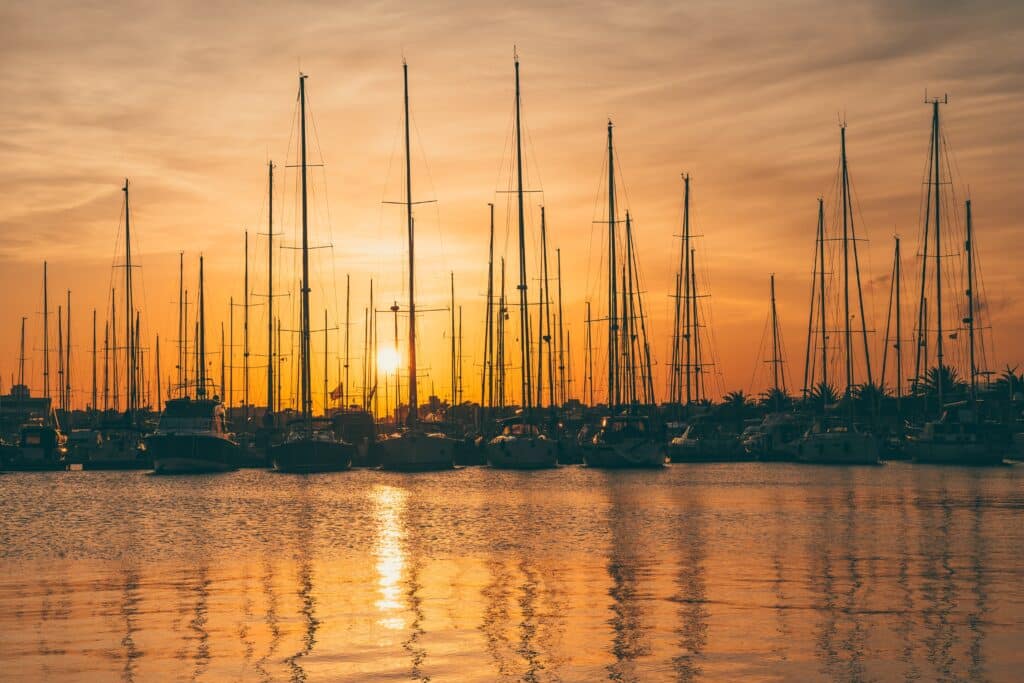
Evening walks at La Marina quickly became one of our favorite ways to unwind in the city. The wide, level promenades make it easy for anyone to move at a relaxed pace while watching sailboats drift through the harbor. Around sunset, the water picks up soft gold and pink tones, one of the most peaceful scenes you’ll find in Valencia.
For visitors looking for calmer things to do in Valencia, La Marina offers a quieter rhythm than the beachfront, with plenty of space to pause and enjoy the view. Waterfront cafés and restaurants make it easy to add a light meal or drink to your walk.
There’s no cost and no planning required. Arriving 30–45 minutes before sunset gives you the best light, and the area is pleasant year-round for a simple, scenic evening outing.
16. Turia River Park Walking or Mobility-Friendly Roll
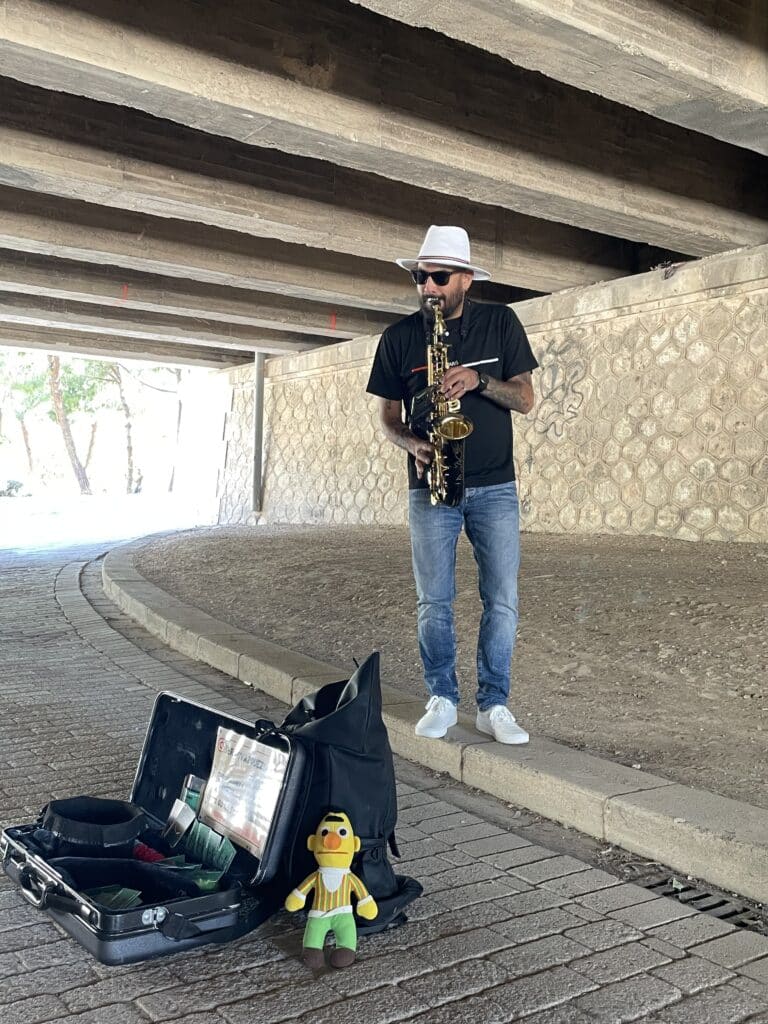
Spending time in Turia River Park is one of the most refreshing things to do in Valencia, thanks to its miles of green space running through the city. Once a riverbed, it’s now a sprawling park with walking paths, bike lanes, gardens, and shaded corners perfect for exploring at any pace. We often came here to unwind, choosing different sections depending on whether we wanted quiet nature or a lively, social stretch.
The terrain is mostly flat and smooth, making the park easy for anyone who prefers predictable pathways or uses mobility aids. Benches and shaded areas are frequent, so you can pause whenever you like, whether for people-watching or a slow, peaceful break. And because the park links several neighborhoods, it’s a pleasant alternative to navigating busy streets.
Turia River Park is open year-round with no tickets required. Mornings are calm, afternoons bring more locals outside, and any time of day makes this urban oasis one of the simplest, most uplifting ways to enjoy Valencia.
17. Valencia Beaches (Malvarrosa & Patacona)
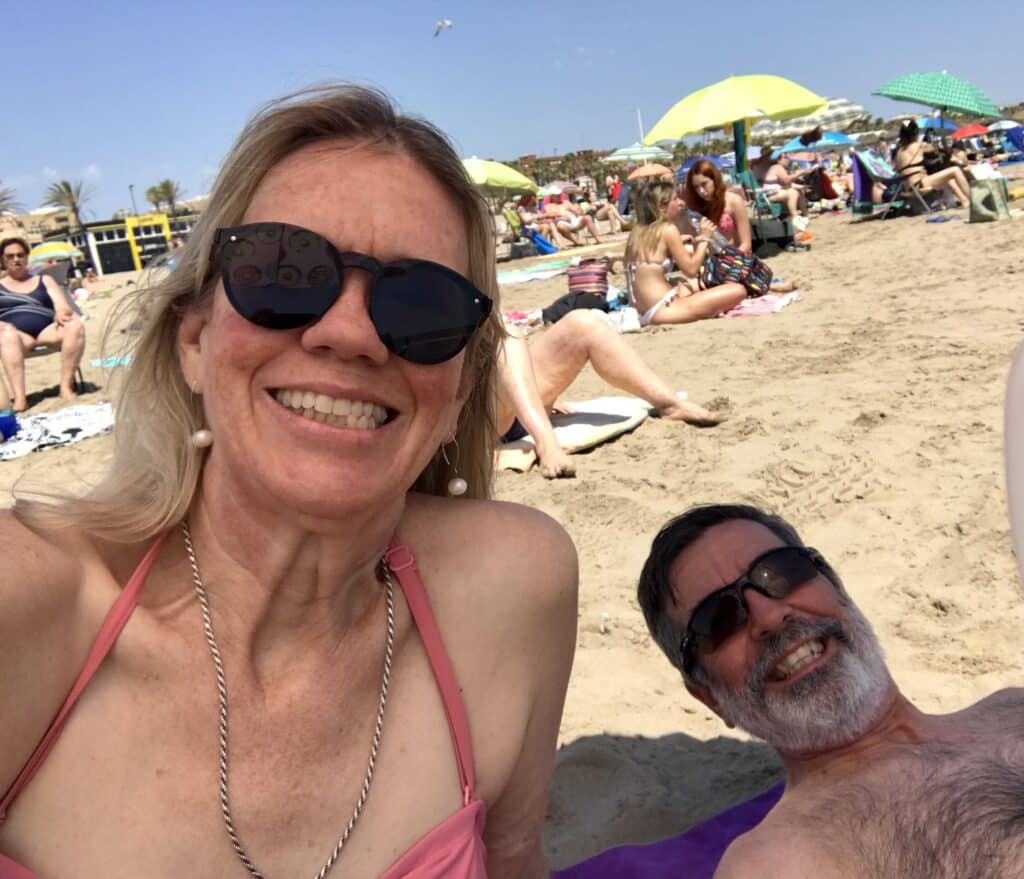
Enjoying Malvarrosa or Patacona Beach is one of the most relaxing things to do in Valencia, especially if you love wide, sandy coastlines and an easygoing seaside vibe. Just a short ride from the center, these beaches feel open and calming, perfect for a quiet walk or an afternoon by the water. The long, level promenade makes it simple to move at your own pace.
The beachfront paths are smooth and spacious, with plenty of cafés and restaurants nearby for a drink or a casual meal. We often returned to enjoy the breeze, watch the waves, or wander the promenade as the evening light softened.
There’s no fee to visit, and both beaches are enjoyable year-round. Mornings and weekdays tend to be the quietest, while summer is livelier. No planning is needed; bring sunscreen and let the coastline work its magic.
FAQs
Travelers often have a few practical questions when planning their trip, especially when they want to make the most of the top things to do in Valencia. Here are answers to some of the most common ones, based on our time living in the city.
What is a must do in Valencia?
Visiting the Oceanogràfic, exploring the Turia River Park, and enjoying a traditional paella are three experiences that really capture the spirit of Valencia. Each one shows off a different side of the city, its creativity, its natural spaces, and its deep culinary roots.
Is it worth visiting Valencia, Spain?
Absolutely. Valencia offers a rare mix of coastal beauty, historic charm, and modern architecture, all wrapped in a slower, more relaxed rhythm than larger Spanish cities. It’s easy to navigate, full of great food, and ideal for travelers who love walkable neighborhoods.
For a deeper dive into why Valencia is worth visiting, see this post: Is Valencia Worth Visiting? Absolutely! Here’s 10 Reasons Why
Why does dinner start so late in Valencia?
Dinner in Valencia typically begins around 9 PM because the local rhythm of the day is different from what many visitors are used to. Long midday breaks, warm evenings, and a cultural emphasis on socializing all push mealtimes later. Once you adjust to the schedule, the city’s nighttime energy feels wonderfully natural.
Is 3 days in Valencia enough?
Three days is enough to see the highlights, Old Town, the beach, the Oceanogràfic, and a few great meals, but the city rewards a longer stay. If you enjoy slow travel, five to seven days lets you experience Valencia the way locals do.
Final Thoughts
After living in the city and spending countless days exploring at a leisurely, unhurried pace, we can say that Valencia is one of those places that rewards curiosity and slow wandering. The best things to do in Valencia aren’t just the headline attractions, they’re the moments in between: a quiet stroll through Turia River Park, a conversation with a market vendor, or a late-evening walk when the streets glow softly under warm lights. It’s a city that never rushes you, and that alone makes it a wonderful destination for travelers who want depth rather than speed.
We hope this guide helps you plan a trip that feels meaningful, balanced, and full of the small discoveries that made Valencia feel like home to us. If you’ve been to the city before, we’d love to hear what stood out to you, and if this will be your first visit, tell us what you’re most excited to experience. Your stories help shape our future guides.
If you enjoy travel that moves at a gentler pace and want more destination tips, slow-travel ideas, and personal stories from the road, consider joining our newsletter. It’s the best way to stay connected and keep the conversation going as we continue exploring, one place at a time.


I bet the tapas and paella were amazing! Thanks for sharing such a detailed post.
Thanks Chloe! The tapas and paella were truly unforgettable. In Valencia, even a simple meal becomes a lasting memory. Laura and I always say the food alone makes it worth staying a bit longer. I’m happy you liked the post!