Paella is one of those dishes that seems familiar until you eat it where it actually comes from. Before Valencia, Laura and I thought we understood it well enough. We’d ordered it elsewhere in Spain, enjoyed it, and moved on. That changed here.
In Valencia, paella isn’t a flexible concept or a menu filler. It’s a specific meal, cooked at a particular time of day, with rules that locals still care about. I noticed this on our first afternoon, watching tables around us wait patiently while wide pans were carried out one at a time, steam rising, conversations pausing. No one seemed to be in a hurry. The rhythm felt deliberate.
What surprised me most was how easy it is to get paella wrong in Valencia if you don’t know what to look for. Restaurants that offer it all day, in single portions, or with endless variations often miss the point entirely. At the same time, there are still places quietly doing it right, without signage or spectacle.
Where to Eat the Best Paella in Valencia
Finding good paella in Valencia has less to do with chasing famous names and more to do with understanding where it still makes sense to order it. We quickly noticed this once we began observing how locals chose their restaurants.
Some areas naturally lend themselves to good paella because kitchens are set up for it and diners expect it to be appropriately prepared. In other places, especially those with heavy foot traffic, speed and volume tend to be rewarded instead. That doesn’t mean every central city restaurant should be dismissed, but it does mean you have to be selective.
What changed things for me was thinking in terms of neighborhoods rather than rankings. Paella near the old city follows different rhythms than paella by the sea, and both are shaped by who’s sitting at the tables and why they’re there. When locals plan a paella meal, the setting is part of the decision, not an afterthought. Once you start seeing that pattern, choosing where to eat feels far less like a gamble and much more like reading the room.
Paella in the City Center
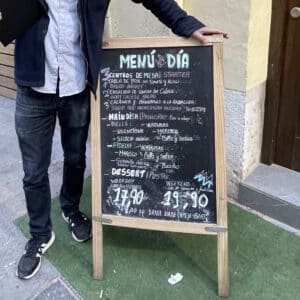
Ordering paella in Valencia’s historic center requires a bit of awareness, but it doesn’t have to feel restrictive. What I noticed early on was that the most significant differences came down to how paella was handled, not simply when it was served. While lunch is the traditional time for paella, some kitchens take the same care in the evening, especially those that prepare it to order rather than treat it as a standing menu item.
In the old city, space is tight, and turnover can be high, making it more challenging to execute paella well. Kitchens that do it right tend to limit the number of pans used per service and keep the menu focused. Whether you’re sitting down at midday or later in the evening, those signals matter more than the clock.
Reliable options in the city center include:
- Racó del Turia
A traditional dining room where Paella Valenciana is treated as a core dish, not an afterthought. The menu stays focused, the rice is cooked correctly, and the kitchen takes the dish’s required time. - El Balcó del Micalet
Its cathedral-side location suggests caution, but the execution holds up. Paella is prepared to order, pacing is respected, and both lunch and dinner service reflect care rather than convenience.
In the city center, good paella comes from kitchens that respect the process, whether the pan arrives in the afternoon or later in the evening.
For a fuller explanation of what we enjoyed doing in Valencia, read 17 of the BEST Things to do in Valencia.
Paella Near the Beach
Paella by the sea feels intuitive in Valencia, and in many ways it is. The coastline has long shaped how seafood paella is cooked and enjoyed, and we found that beachside meals often move at an even slower, more deliberate pace. There’s usually less pressure to turn tables quickly, which matters for a dish that can’t be rushed.
That said, the beach comes with its own tradeoffs. Some restaurants lean heavily on the view and assume the pan will take care of itself. The better places don’t do that. They keep the menu tight, cook paella to order, and are honest about timing, whether you’re eating earlier in the day or settling in for a longer evening meal.
Reliable options near the beach include:
- La Pepica
One of the city’s most established beachfront restaurants, known primarily for seafood paella. The setting is lively, but the kitchen has the experience to handle volume without cutting corners. We found the best results came when we allowed extra time and didn’t rush the meal.
Near the beach, paella works best when you let the setting set the tempo. A relaxed table, a shared pan, and patience usually lead to a better result than chasing the fastest service or the closest view.
Timing Matters More Than You Think
Timing plays a bigger role in paella than most people realize. We noticed this not because someone told us so, but because the meals that stayed with us were the ones that weren’t rushed. Paella takes time to cook correctly, from the broth to the rice to the final moments over the heat, and good kitchens won’t shortcut that process to meet a deadline.
Traditionally, paella is a lunchtime meal, often starting mid-afternoon, when families and friends can linger. That rhythm still shapes how many restaurants plan their service. In the evening, fewer pans may be available, and kitchens that offer paella at dinner tend to pace it carefully rather than push volume.
What matters most isn’t the hour; it’s whether the restaurant is willing to cook paella to order and ask you to wait. When that happens, the timing usually works itself out.
Join our mailing list to receive a free custom Google Map of Valencia, with every point of interest from our guides clearly marked for easy planning.
Why Valencia Is the Home of Paella
Paella makes the most sense once you understand its origins. Valencia sits between rice fields, wetlands, and the sea, and that landscape shaped the dish long before it ever appeared on a restaurant menu. When we spent time learning about the surrounding countryside, the ingredients stopped feeling symbolic and started feeling inevitable.
Rice thrives here because of the Albufera wetlands just south of the city, and historically, paella was a practical meal cooked outdoors over an open fire. It brought together what was available, rice, vegetables, meat, sometimes seafood, and fed groups without fuss. That communal mindset still lingers.
What struck me most is how little has changed. Paella in Valencia isn’t about reinvention. It’s about continuity. The tools, the timing, and even the restraint all trace back to a place where food grew from the landscape rather than the trend.
What Makes a Paella “Good” (According to Locals)
A good paella announces itself quietly. Laura and I found that locals talk first about the rice. It should be dry and separate, never soupy, with each grain carrying flavor rather than swimming in it. Then there’s socarrat, the lightly toasted layer at the bottom. It isn’t meant to be aggressively crunchy, just gently caramelized, something you notice more than hear.
Ingredients matter, but restraint matters more. A good paella doesn’t try to do too much. Whether it’s Paella Valenciana or a seafood version, the flavors stay balanced, and nothing overwhelms the rice. Most of all, good paella reflects patience. It’s simmered, left alone when needed, and served only when it’s ready. You can taste that discipline in the final pan.
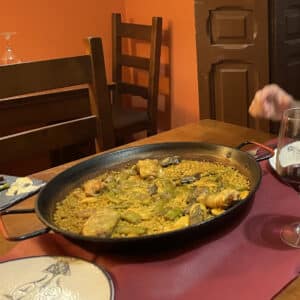
Paella Valenciana vs Seafood Paella
Before coming to Valencia, I assumed seafood paella was the default. It’s the version most people encounter first. Spending time here, we quickly corrected that assumption. Paella Valenciana is the original form, built around rice, vegetables, and meat, traditionally rabbit and chicken, with no seafood involved at all.
Seafood paella isn’t an impostor; it simply comes from a different context. Along the coast, it makes sense, and when it’s done well, it’s lighter and more aromatic, shaped by fish stock rather than meat. The mistake is thinking one is more “authentic” than the other without considering where you are and who’s cooking it.
Locals choose based on setting and mood, not hierarchy. Inland, Paella Valenciana still dominates. Near the sea, seafood versions feel natural. What matters most is whether the restaurant commits to one style and cooks it with restraint, rather than trying to cover every version at once.
Common Paella Mistakes Visitors Make
Most paella disappointments in Valencia stem from minor misunderstandings rather than poor cooking. We noticed that many negative reviews of otherwise excellent restaurants center on one familiar complaint: it took too long. In nearly every case, that delay is the point.
Paella isn’t a dish that’s reheated or rushed. Good kitchens cook it to order, often limiting how many pans they make at a time. When a restaurant asks you to wait, it’s usually a sign they’re doing it properly, not a reason for concern.
Another common mistake is expecting paella to arrive plated and fast, like an individual entrée. It’s meant to be shared, paced, and enjoyed at the center of the table. Once you stop watching the clock and start enjoying the conversation, the wait tends to feel shorter, and the pan that finally arrives almost always tastes better for it.
How to Order Paella the Right Way
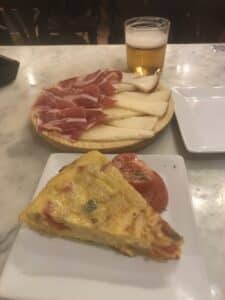
Ordering paella in Valencia has nothing to do with confidence. We found that the best meals often began with a simple question about what paellas were available that day, followed by a willingness to wait. Most kitchens expect paella to be shared and cooked to order, and a good server will usually tell you how long it will take.
While the pan is cooking, it helps to settle in. A small plate of jamón and manchego makes a natural appetizer and gives the table something to enjoy without competing with the main dish. Pair it with a beer, a glass of wine, or even just water; locals keep this part simple.
That pause before the paella arrives is part of the experience. Once you stop treating the wait as an inconvenience, the meal feels more relaxed, and the pan that finally reaches the table feels properly earned.
Is a Paella Cooking Class Worth It?
A paella cooking class is worth considering less for the recipe and more for the experience around it. The real value lies in understanding the process while sharing time with others, whether that’s traveling companions or a small group gathered around the pan. Paella has always been a communal dish, and a class reflects that spirit better than a solo restaurant meal ever could.
Spending a few hours cooking together slows things down. You monitor the pan, ask questions, and learn how much paella depends on patience rather than precision. These details tend to last longer than a written recipe.
If you enjoy learning by doing and like the social side of food, a cooking class can add a meaningful layer to your time in Valencia. Think of it less as instruction and more as a chance to participate.
If you’d like to experience paella the way it’s meant to be enjoyed, a hands-on cooking class offers a relaxed way to learn the process and share the moment.
FAQ: Paella in Valencia
Is paella eaten at dinner in Valencia?
Traditionally, paella is a lunchtime meal, but dinner paella isn’t automatically wrong. In Valencia, dinner starts later and runs later; locals often sit down well after 9:00 pm. Some restaurants prepare paella in the evening with the same care they give it at lunch, cooking to order and pacing it properly. As always, what matters more than the hour is whether the kitchen treats paella as a process rather than a shortcut.
Can you order paella for one person?
Most restaurants won’t offer paella for a single diner, and that’s intentional. The pan is designed for sharing, which helps the rice cook evenly and develop properly. If you’re dining solo, it’s often better to ask what rice dishes are available instead.
What time do locals usually eat paella?
Lunch typically starts later than many visitors expect, often between 2:00 and 3:00 pm. That window allows the kitchen enough time to prepare the pan without rushing. Arriving early and being flexible usually leads to a better experience.
What is socarrat, and should it always be crispy?
Socarrat is the lightly toasted layer of rice at the bottom of the pan. It should be aromatic and gently caramelized, not burnt or aggressively crunchy. When it’s right, you notice it more by flavor than texture.
Is seafood paella more authentic than Paella Valenciana?
Neither is more authentic in isolation. Paella Valenciana is the original style, rooted inland, while seafood paella developed naturally along the coast. Authenticity depends on context, ingredients, and technique, not popularity.
Final Thoughts: Finding the Best Paella in Valencia
Finding great paella in Valencia comes down to paying attention rather than chasing perfection. The meals that linger tend to be those where expectations match the dish’s rhythm: shared, unhurried, and allowed to take its time. Timing, patience, and place matter far more than hype.
What stayed with us wasn’t a single pan of rice, but the space around it: the pause while it cooked, the conversation that filled the wait, and the way the table settled once the pan arrived. Paella works best when it’s treated as a moment, not a transaction.
If you’ve had a paella in Valencia that changed how you think about the dish, I’d love to hear about it. Share where you ate, what you ordered, or what surprised you most. Those personal details are often more helpful than any ranking, and they’re how good meals continue to find their way to the right tables.