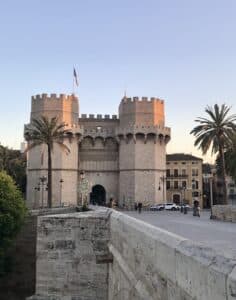
Deciding where to stay in Valencia isn’t just about finding a comfortable bed; it quietly shapes how the city unfolds around you. Laura and I felt this almost immediately. The rhythm of our mornings, how far we walked before coffee, and even whether evenings felt relaxed or rushed, all came down to location. Valencia isn’t overwhelming, but its neighborhoods have distinct personalities, and choosing the right one matters more than star ratings or brand names. I’ve learned that the best base depends on how you plan to spend your days, how fast you like to move, and what you want just outside your door.
Understanding Valencia’s Layout Before You Book
Before booking anything, I found it helpful to step back and look at Valencia as a whole, not just zoom in on hotel pins. The city is compact, but its neighborhoods function very differently, and that’s easy to miss without context. Laura and I spent time with maps from Visit Valencia, which helped us understand how the historic center, newer districts, and beach areas connect, and where they don’t. What looks close on a map can feel longer on foot once heat, shade, and street patterns come into play. I’ve learned that understanding the layout upfront makes it much easier to choose a base that matches your pace, rather than adjusting daily once you arrive.
For a fuller explanation of what we enjoyed doing in Valencia, read 17 of the BEST Things to do in Valencia.
Where to Stay in Valencia: A Quick Neighborhood Guide
When readers ask me where to stay in Valencia, I usually slow the conversation down a bit. Laura and I learned that the best neighborhood isn’t about what looks good on a map, it’s about how you want your days to unfold. Some areas invite wandering and late nights, others reward early mornings and steady routines. Framing it that way makes the decision clearer.
| Travel Style | Neighborhood That Fits | Why It Works |
| First-time visitors | Old Town (Ciutat Vella) | Walkable, historic, and close to major sights |
| Food-focused travelers | Ruzafa | Strong local dining scene and lively evenings |
| Calm, central stays | Eixample | Residential feel with easy access to everything |
| Long stays & slow travel | Eixample or quieter Old Town streets | Better balance of comfort and location |
| Beach-first trips | Malvarrosa or Patacona | Daily access to the sea, relaxed pace |
In the end, I’ve found that matching your energy level to the neighborhood matters more than chasing the “best” area. When the fit is right, Valencia feels less like a destination and more like a place you temporarily belong.
Choosing Between Hotels, Apartments, and Short-Term Rentals
How you stay matters just as much as where you stay, and Laura and I have learned that the hard way. For short visits, hotels in Valencia are convenient and predictable, especially if you plan full days out. Once our stays stretch longer, apartments start to make more sense. I value having space to slow down, make breakfast, and reset midday without feeling like I’m hiding in a room. Short-term rentals vary widely, though; noise insulation, elevators, and stair access aren’t guaranteed. I’ve found it’s worth reading reviews carefully and thinking about how much time you’ll actually spend “at home,” not just how good the photos look.
Where We’ve Stayed and Why
On our longest visit, Laura and I spent a full month in an apartment just two blocks from Valencia Cathedral, and it shaped the way we experienced the city. We had everything we needed: a kitchen, solid Wi-Fi, air conditioning, and a washer and dryer, which made daily life feel settled rather than temporary. I liked starting mornings slowly, slipping out early before the crowds, and returning midday without planning around hotel routines. This has always been our preference for longer stays. For us, having a functional home base matters more than amenities we rarely use, especially when Valencia becomes part of our everyday rhythm.
Join our Newsletter to Receive a Free Google Map
of Valencia with Hidden Gems Marked
Practical Booking Tips for Valencia
After a few stays, I’ve learned that timing matters more than I expected. Prices in Valencia rise quickly around festivals and holidays, even if availability still looks decent. Laura and I book apartments earlier than we think we need to, especially for longer stays, and focus on cancellation-friendly options. I always check recent reviews for noise, elevators, and air conditioning, three things that don’t show up clearly in photos. Location-wise, I look at walking routes, not just distances, because shade and street layout affect how far “ten minutes” really feels. Small details like this tend to matter every single day.
Old Town (Ciutat Vella): History at Your Doorstep
Staying in Ciutat Vella puts you right inside Valencia’s oldest layers, and I felt that every time we stepped outside. Churches, small plazas, and narrow streets are woven tightly together, which makes wandering easy and endlessly interesting. Laura loved how quickly mornings turned into unplanned discoveries, especially before the day-trippers arrived. That said, this area isn’t quiet, and evenings can stretch late depending on the street. I’ve found it works best if you enjoy walking, don’t mind occasional noise, and like being able to return “home” between sightseeing breaks without a second thought.
Read our detailed post on Valencia Old Town: History You Can Walk Through.
Ruzafa: Local Energy and Food-Centered Stays

Ruzafa felt different to me almost immediately, less postcard, more lived-in, and that’s exactly why we liked spending time there. This neighborhood sits just south of the historic core, close enough to walk but far enough to breathe. Laura and I noticed the rhythm revolves around cafés, bakeries, and late dinners, with locals filling the streets well into the evening. It’s a great area if food matters to you and you enjoy neighborhoods that feel current rather than preserved. I will say it’s not the place for early nights, and some streets stay lively longer than expected. For us, that energy was part of the appeal.
El Carmen: Character, Charm, and Caveats
El Carmen is one of those places I was excited about before we arrived, and a bit more cautious about afterward. Tucked inside El Carmen, it’s dense with character: medieval walls, street art, tiny bars, and plazas that seem to appear without warning. Laura loved the visual texture, especially in the early morning when delivery carts rattled past, and the streets still felt calm. By evening, though, the tone shifts. Some blocks get loud, and not all buildings are well-insulated. I’ve found El Carmen works best if atmosphere matters more than quiet, and if you’re selective about exactly where you stay.
Eixample: Comfortable, Central, and Calm
Eixample felt like the exhale after the Old Town. When Laura and I walked through this area, the streets widened, the sidewalks leveled out, and the pace slowed just enough to notice. It sits close to the historic center without being wrapped inside it, which I appreciated after long days on my feet. This neighborhood leans residential, with classic architecture, good grocery stores, and cafés that open early and close on a sensible schedule. I’ve found it works especially well if you want easy access to sights without navigating crowds every time you step outside. For longer stays, Eixample offers a balance that’s hard to beat.
City of Arts & Sciences Area: Modern and Spacious
Staying near the City of Arts and Sciences feels like choosing a different version of Valencia altogether. When Laura and I spent time in this part of the city, everything felt more open, with wider sidewalks, newer buildings, and less visual clutter. I liked how easy it was to move around without constantly dodging crowds, especially in the afternoons. The tradeoff is distance. You’ll rely more on buses, taxis, or longer walks to reach the historic core. For travelers who value space, quieter evenings, and modern comforts over being surrounded by history, this area makes a lot of sense.
Save time and money visiting Valencia by grabbing the Valencia City Card with free public transport, museum entry, and skip-the-line access in one easy pass.
Beach Areas (Malvarrosa & Patacona): Staying by the Sea
Spending time near Malvarrosa or Patacona felt like slowing Valencia down a notch. Laura and I noticed our days naturally started earlier here, shaped by morning walks along the promenade and the sound of waves instead of traffic. These areas work well if the sea is part of your daily routine, not just a quick visit. The downside is distance from the historic center; you’ll be using transit more often. I’ve found beach neighborhoods make the most sense for longer stays or warmer months, when living near the water outweighs being steps from major sights.

Closing Thoughts
Choosing where to stay in Valencia is really about deciding how you want the city to meet you each day. Laura and I learned that the right neighborhood quietly shapes everything, from how rested you feel in the morning to whether evenings feel peaceful or overstimulating. I’ve found that Valencia rewards thoughtful choices more than rushed ones; even small differences in location can change the entire tone of a trip. Whether you prioritize history, food, calm streets, or sea air, there’s a part of the city that fits. When you choose a place that supports your pace, Valencia stops feeling like somewhere you’re visiting and starts feeling, briefly, like home.